Menu Close

Author: Inox

Corner Cabinet Solutions Compared: Magic Corner vs Carousel Unit

Corner Cabinet Solutions Compared: Magic Corner vs Carousel Unit

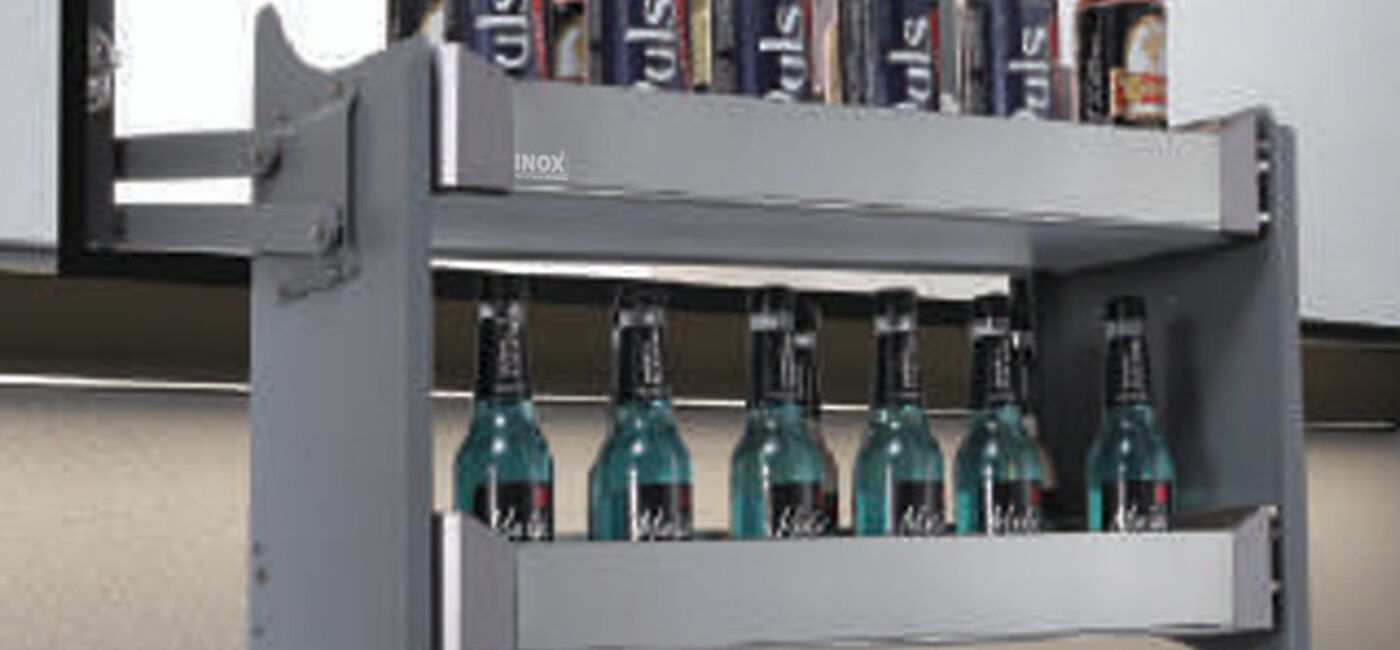
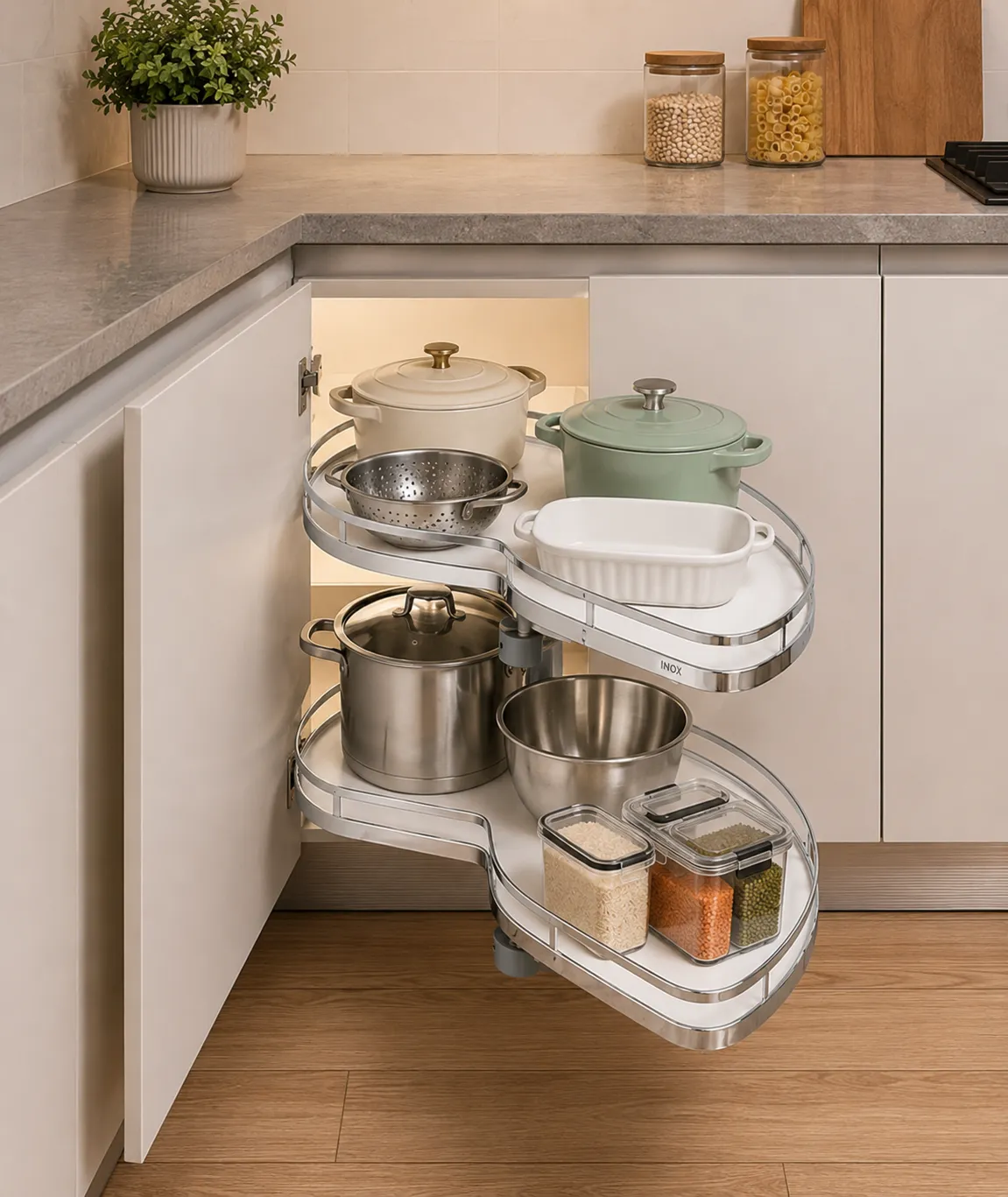
The Blind Corner Problem Every kitchen has one, the blind corner cabinet that is technically storage space but practically a black hole. Reaching into the back of a standard corner cabinet means kneeling, stretching, and usually giving up before finding what you are looking for. Two hardware solutions solve this problem in genuinely different ways, the Magic Corner Unit and the Carousel Unit. How the Carousel Unit Works The Carousel Unit, INOX’s classic 180 degree and 270 degree rotating solution, uses a central pivot to spin shelves out from the corner. It is a simple, mechanically robust system. There is very little that can go wrong with a rotating shelf, which makes it a reliable long term choice. The Trade Off With Carousel Units Items can slide during rotation if not placed carefully, and the circular shelves do not use every corner of the cabinet’s square footprint as efficiently as a pull out system. How the Magic Corner Unit Works The Magic Corner Unit takes a different approach. Rather than rotating in place, its baskets pull forward and then swing out of the cabinet entirely as the door opens, bringing everything into full view and reach without kneeling. Who the Magic Corner Suits This tends to suit households that store heavier or more awkwardly shaped items such as pots, pans, and small appliances, since nothing needs to stay balanced during rotation. The mechanism is more complex than a simple carousel, which typically makes it the pricier of the two options. Which One to Choose In practice, the decision often comes down to what is being stored and how the household uses the kitchen. A carousel unit works well for lighter, uniformly shaped items like spice jars, tins, and packaged goods, where a gentle rotation does not risk anything toppling. A Magic Corner earns its higher price point in kitchens where the corner cabinet doubles as the primary pot and pan storage, the kind of daily use cabinet where full visibility and easy reach matter more than mechanical simplicity. Conclusion Both solutions, when specified with a soft close option, solve the same underlying problem. Corner cabinets should not be storage you avoid using. The right choice is not about which is better in the abstract, it is about matching the mechanism to what is actually going inside it.

Soft Close vs Regular Hinges: Is the Upgrade Worth It?

Soft Close vs Regular Hinges: Is the Upgrade Worth It?

A Common Question in Kitchen Hardware It is one of the most common questions in kitchen and wardrobe hardware. Is a soft close hinge actually worth the extra cost over a standard one? The honest answer is that it depends on how the cabinet gets used, but for most modern homes, the upgrade pays for itself faster than people expect. How a Regular Hinge Behaves A regular hinge relies on the door’s own momentum to close, which means the final few centimetres of travel happen at full speed. Over time, this is what causes chipped cabinet edges, loosened screws, and the sharp bang that makes an otherwise quiet kitchen feel less considered. How a Soft Close Hinge Works A soft close hinge, like INOX’s Titanium Hinge or 3D Clip-On range, uses an internal damper that takes over in the final stretch of the door’s travel, slowing it to a controlled, silent close regardless of how hard it is pushed. Reduced Wear Soft close hinges reduce wear on the cabinet frame itself, which matters over a ten to fifteen year kitchen lifespan. Household Safety They are considerably safer in households with children, removing the risk of fingers being caught in a fast closing door, a detail that matters more than it might seem on a spec sheet. Weighing the Cost The difference between a standard and soft close hinge is usually a small fraction of the total kitchen budget when spread across fifteen to twenty cabinet doors. Given that hinges are opened and closed dozens of times a day, every day, for years, this is one of the few upgrades in a kitchen renovation where the cost to usage ratio is almost unbeatable. When a Standard Hinge Still Makes Sense The one scenario where a standard hinge might still make sense is a low traffic utility cabinet, a rarely opened storage unit where the extra mechanism adds cost without meaningfully improving the experience. For anything in daily use, the pantry door, the pot cupboard, the wardrobe, soft close is no longer a luxury upgrade. It is simply what a well specified kitchen or wardrobe should have from day one.

Dark vs Light: Choosing the Right Finish for a Premium Modular Kitchen

Dark vs Light: Choosing the Right Finish for a Premium Modular Kitchen

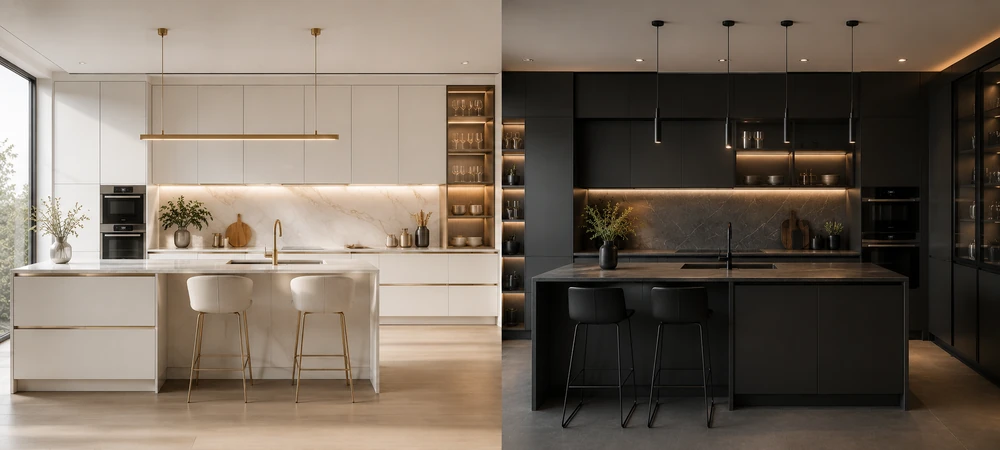
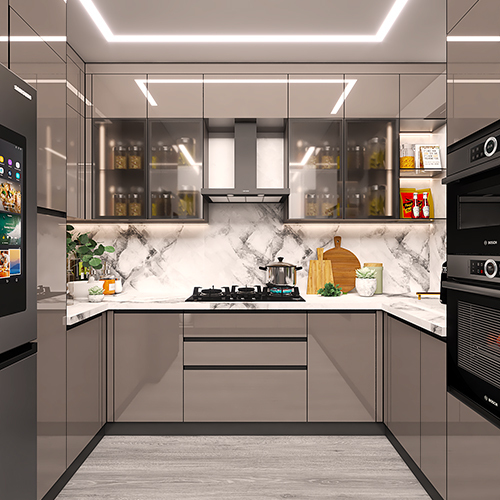
The First Decision in Any Kitchen Project One of the first decisions in any modular kitchen project is not the layout, it is the finish. Increasingly, that decision comes down to a choice between two distinct moods, the warm and bright confidence of a white kitchen, or the moody, editorial depth of a dark one. INOX’s Corena White series and Graphite series represent these two directions well, and the choice is not purely aesthetic. It affects how a kitchen photographs, how it feels at different times of day, and how forgiving it is of daily use. How White Kitchens Perform White and light toned kitchens, like those built around the Corena White Magic Corner and Soho Unit ranges, tend to make smaller kitchens feel larger and rely on natural daylight to do a lot of the visual work. They photograph beautifully in daytime and pair well with warm wood accents, brass hardware, and softer overall lighting. The Trade Off With Light Finishes Light finishes show fingerprints, smudges, and daily wear more visibly, which matters in high traffic family kitchens. How Graphite Kitchens Perform Graphite and dark toned kitchens, like those using the Graphite Silent Soho Unit, lean into a moodier, more editorial aesthetic. They photograph exceptionally well under warm, directional lighting such as pendant lights and under cabinet LEDs, and they tend to hide daily marks better than lighter finishes. The Trade Off With Dark Finishes Dark kitchens need good lighting to avoid feeling cave like, and they show dust more visibly under flat daylight. The Mixed Approach A third, increasingly common option is the mixed approach, a dark island paired with lighter perimeter cabinetry, or dark lower cabinets with a lighter upper section. This gives designers the visual drama of a dark palette without committing the entire kitchen to it, and it suits kitchens where lighting conditions vary significantly through the day. Making the Right Choice The right choice usually comes down to two practical questions. How much natural light does the kitchen actually get, and who is using it daily? A young family with children may lean toward a finish that hides marks. A kitchen used mainly for entertaining may prioritise the drama of a dark palette. Either way, the finish should be decided early, since it influences everything from handle colour to the lighting temperature that follows.

What Makes a Kitchen Feel Luxury? 7 Hardware Details That Change Everything

What Makes a Kitchen Feel Luxury? 7 Hardware Details That Change Everything

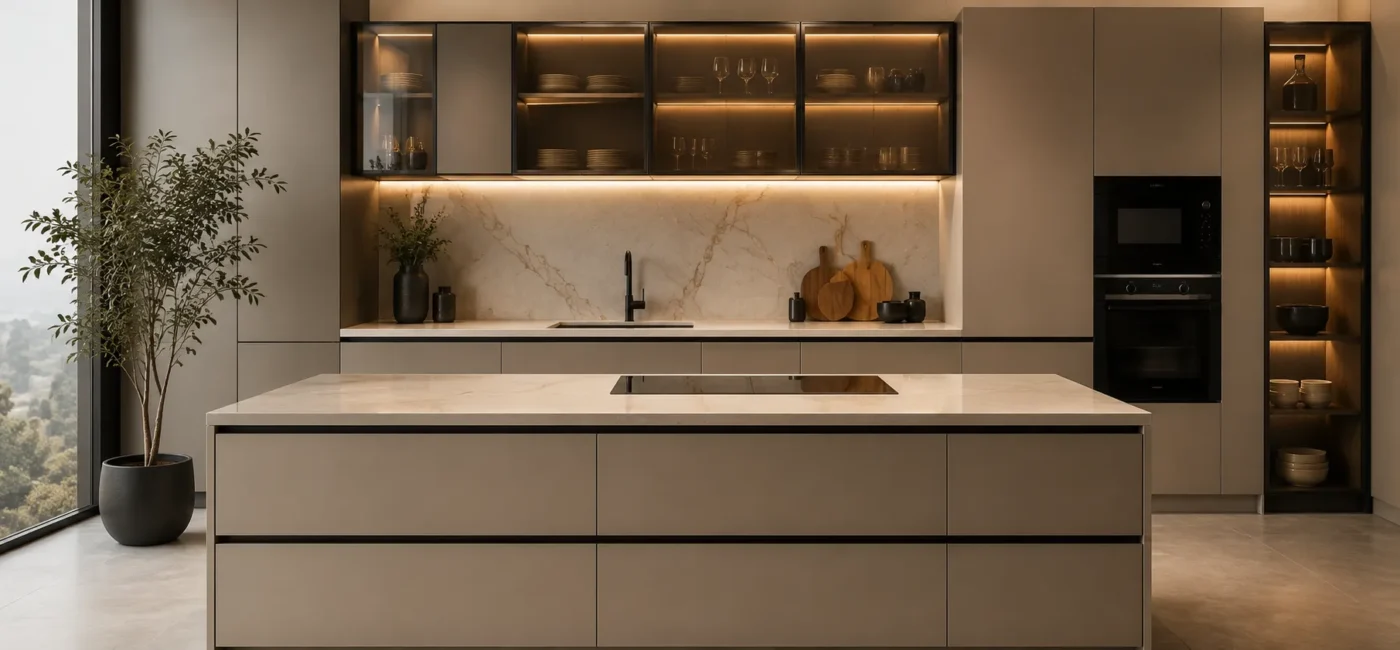
Why Hardware Defines a Luxury Kitchen A luxury kitchen is rarely about the countertop alone. Walk into any high end kitchen and the feeling of quality comes from something quieter. A drawer that glides shut without a sound, a door that lifts with one finger, a corner cabinet that turns instead of forcing you to crawl inside it. These are the details buyers notice even when they cannot name them, and they are almost always hardware, not finishes. Silence A soft close mechanism, whether on a hinge or a drawer slide, changes how a kitchen feels to live in. INOX’s Titanium Hinge range and Satin Silent drawer systems are built specifically around this. Soft close is not a marketing term, it is an engineering standard that determines how the space sounds every single day. Weight Management Heavy overhead doors are one of the most common complaints in kitchen design. Fittings like the Ascense Soft Close Lift Up or the New Generation Fold and Lift system solve this by distributing the door’s weight through a spring assisted arm, so opening a large overhead cabinet takes the same effort as opening a small one. Corner Efficiency A luxury kitchen has no dead space, and that means solving the blind corner problem. INOX’s Magic Corner and Carousel Unit ranges pull baskets fully out of the cabinet rather than leaving them half buried. Finish Consistency Matt black, graphite, champagne, and rose gold aluminium profiles need to match across handles, hinges, and glass door frames. Inconsistency here is one of the fastest ways a premium kitchen starts to look assembled rather than designed. Load Capacity That Does Not Show A drawer rated for 40 Kg should look the same, fully loaded, as it does empty, with no sagging rails and no visible strain. Integrated Lighting Under cabinet and in drawer LED lighting has moved from optional to expected in premium kitchens, and it needs to feel warm rather than clinical. Long Term Performance Perhaps most important is what happens when nobody is watching, how the hardware performs after five years of daily use, not just on the day of installation. A Detail Easy to Miss None of these details are visible in a kitchen brochure photo. They are felt, not seen, which is exactly why they are the difference between a kitchen that looks expensive and one that actually is. Conclusion Choosing hardware with these seven qualities in mind is the clearest way to move a kitchen from good to genuinely luxurious, regardless of the finish or layout chosen around it.

Aluminium Carcass Kitchen: The Future of Durable and Modern Modular Kitchens

Aluminium Carcass Kitchen: The Future of Durable and Modern Modular Kitchens

The kitchen is one of the most important spaces in any home, and choosing the right materials for its structure directly impacts durability, hygiene, and long-term performance. In recent years, the aluminium carcass kitchen has emerged as a superior alternative to traditional wooden and plywood kitchens. Known for its strength, moisture resistance, and modern appeal, aluminium carcass kitchens are redefining the way modular kitchens are designed. This blog explores what an aluminium carcass kitchen is, its benefits, features, applications, and why it is becoming the preferred choice for modern homeowners. What Is an Aluminium Carcass Kitchen? An aluminium carcass kitchen uses aluminium frames and panels to form the core structure (carcass) of kitchen cabinets instead of conventional materials such as plywood, MDF, or particle board. The carcass acts as the backbone of the kitchen, supporting shutters, shelves, drawers, and accessories. Because aluminium is naturally resistant to moisture, corrosion, and pests, aluminium carcass kitchens offer superior performance compared to traditional materials. Why Aluminium Carcass Kitchens Are Gaining Popularity Modern homeowners are increasingly looking for kitchens that are long-lasting, hygienic, and low maintenance. Aluminium carcass kitchens meet all these requirements. Exceptional Durability Aluminium does not warp, crack, or swell like wood. It maintains its shape and strength even in humid or high-temperature environments. Waterproof and Moisture Resistant Unlike plywood kitchens, aluminium carcass kitchens are completely waterproof, making them ideal for Indian kitchen conditions where moisture exposure is common. Termite and Pest Proof Aluminium is naturally resistant to termites, borers, and other pests, ensuring a longer lifespan. Hygienic and Easy to Clean Smooth surfaces prevent dirt buildup and are easy to wipe, promoting a cleaner kitchen environment. Lightweight Yet Strong Aluminium offers excellent strength without adding excessive weight to cabinet structures. Key Features of Aluminium Carcass Kitchens These features make aluminium carcass kitchens suitable for both residential and commercial applications. Aluminium Carcass Kitchen vs Traditional Wooden Kitchen Durability Aluminium carcass kitchens last significantly longer than wooden kitchens. Maintenance Wooden kitchens require regular care, while aluminium kitchens need minimal maintenance. Water Resistance Aluminium is fully waterproof, whereas wood is prone to swelling. Hygiene Aluminium surfaces are non-porous and more hygienic. Cost Efficiency Over Time Although the initial cost may be slightly higher, aluminium carcass kitchens offer better long-term value. Design Flexibility and Aesthetic Appeal Aluminium carcass kitchens support a wide range of finishes, including: This flexibility allows homeowners to achieve both contemporary and classic kitchen styles. Applications of Aluminium Carcass Kitchens Their durability and hygiene make them suitable for high-usage environments. Installation and Customization Aluminium carcass kitchens are factory-manufactured using advanced machinery, ensuring precise dimensions and consistent quality. Modular components allow faster installation and easy customization based on space and storage requirements. Sustainability and Eco-Friendly Benefits Aluminium is recyclable and environmentally friendly. Choosing an aluminium carcass kitchen helps reduce reliance on wood, contributing to forest conservation. Why Choose an Aluminium Carcass Kitchen for Your Home An aluminium carcass kitchen is an investment that enhances both functionality and property value. Final Thoughts The aluminium carcass kitchen represents the next generation of modular kitchen design. With unmatched durability, moisture resistance, and modern appeal, it is a smart choice for homeowners seeking a long-term kitchen solution. If you are planning to upgrade or install a new modular kitchen, choosing an aluminium carcass kitchen ensures peace of mind, superior performance, and timeless style.

Architectural Fittings: Enhancing Functionality and Aesthetics in Modern Construction

Architectural Fittings: Enhancing Functionality and Aesthetics in Modern Construction

Architectural fittings play a vital role in shaping the functionality, safety, and visual appeal of residential, commercial, and industrial buildings. From door handles and hinges to glass hardware and railing systems, these components may appear small, but they significantly influence overall design quality and user experience. As modern architecture continues to evolve, the demand for high-quality architectural fittings that combine durability, aesthetics, and performance has increased. Choosing the right fittings ensures smooth operation, long-term reliability, and a polished finish for every space. What Are Architectural Fittings? Architectural fittings are hardware components used in the installation and operation of doors, windows, cabinets, partitions, glass panels, and other structural elements. These fittings provide support, movement, locking, and finishing functions while contributing to the overall style of the building. Common architectural fittings include: Each fitting is designed to meet specific functional requirements while complementing architectural design. Importance of Architectural Fittings in Construction Architectural fittings are essential for both practical and aesthetic reasons. Their quality directly affects the performance and lifespan of doors, windows, and other installations. Improved Functionality High-quality fittings ensure smooth opening and closing, proper alignment, and secure locking. This enhances everyday usability and comfort. Enhanced Safety Locks, hinges, and railing fittings contribute to building safety by providing secure closures and stable support. Aesthetic Appeal Well-designed fittings add elegance and refinement to interiors and exteriors, helping achieve a cohesive look. Long-Term Durability Premium architectural fittings resist wear, corrosion, and mechanical stress, reducing maintenance and replacement costs. Types of Architectural Fittings Door and Window Fittings These include handles, hinges, locks, stoppers, and closers used in wooden, metal, and glass doors and windows. They ensure proper movement, security, and ease of use. Glass Architectural Fittings Glass fittings are used in partitions, doors, shower enclosures, and facades. Common products include patch fittings, spider fittings, clamps, and connectors. They provide strong support while maintaining a sleek, modern appearance. Cabinet and Furniture Fittings Cabinet handles, drawer slides, soft-close hinges, and lift-up mechanisms improve the functionality and look of modular kitchens, wardrobes, and office furniture. Railing and Balustrade Fittings Used in staircases, balconies, and terraces, these fittings include handrail brackets, glass clamps, base channels, and connectors. Bathroom Fittings Shower hinges, glass knobs, towel rods, and brackets fall under this category, combining utility with design. Materials Used in Architectural Fittings Selecting the right material ensures durability and performance. Surface finishes such as satin, mirror polish, matte black, antique bronze, and brushed textures enhance visual appeal and protect against corrosion. Key Factors to Consider When Choosing Architectural Fittings Quality and Strength Always select fittings that meet industry standards and can handle daily usage. Design Compatibility Choose designs that match your interior and exterior theme. Corrosion Resistance Especially important for bathrooms, kitchens, and outdoor areas. Load-Bearing Capacity Heavy doors and glass panels require fittings with higher load capacity. Ease of Installation Precision-engineered fittings reduce installation time and errors. Applications of Architectural Fittings Architectural fittings are widely used in: Their versatility makes them a core component in modern construction projects. Benefits of Using Premium Architectural Fittings Investing in quality fittings improves overall building performance and user satisfaction. Architectural Fittings and Modern Design Trends Minimalist and contemporary designs favor clean lines and subtle finishes. Matte black, brushed stainless steel, and concealed fittings are gaining popularity. Smart fittings with soft-close technology and touchless operation are also becoming common in modern spaces. Final Thoughts Architectural fittings may be small in size, but their impact on functionality, safety, and aesthetics is significant. Choosing the right fittings ensures long-lasting performance and enhances the overall quality of any building project. Whether for residential, commercial, or industrial use, well-crafted architectural fittings are an essential investment for modern construction.

Cabinet Organizers: The Ultimate Guide to Smart, Space-Saving Storage Solutions for Modern Homes

Cabinet Organizers: The Ultimate Guide to Smart, Space-Saving Storage Solutions for Modern Homes

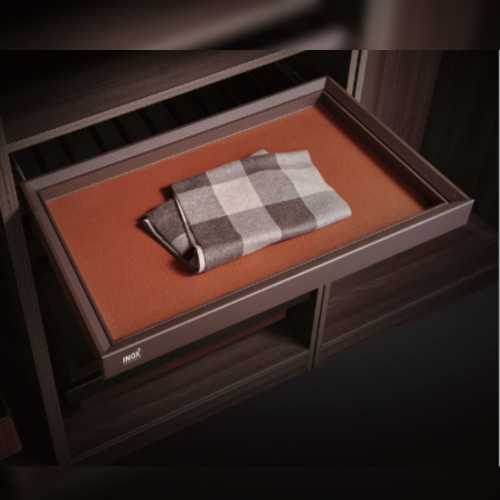
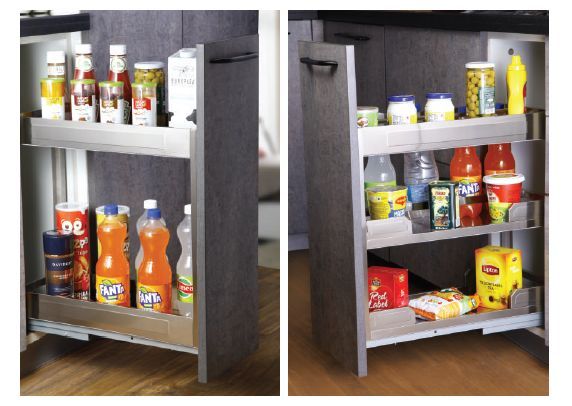
Keeping cabinets neat, functional, and clutter-free is a challenge in many homes. Whether it is the kitchen, bathroom, bedroom, or office, disorganized cabinets waste space and make everyday tasks more difficult. This is where cabinet organizers play a crucial role. Designed to maximize storage efficiency and improve accessibility, cabinet organizers transform ordinary cabinets into well-structured, easy-to-use storage systems. In this guide, we explore what cabinet organizers are, their benefits, popular types, materials, selection tips, and how they enhance modern living. What Are Cabinet Organizers? Cabinet organizers are specialized storage accessories installed inside cabinets to arrange items in a structured and accessible way. They include shelves, racks, pull-out drawers, dividers, trays, baskets, and modular systems that utilize vertical and horizontal space efficiently. Instead of stacking items randomly, cabinet organizers create designated spaces for cookware, pantry goods, cleaning supplies, toiletries, office materials, and more. The result is improved visibility, faster access, and better space utilization. Why Cabinet Organizers Are Essential for Every Home Cabinet organizers are no longer a luxury; they are a practical necessity. Modern homes demand smart storage solutions that combine functionality with aesthetics. 1. Maximizes Storage Space Cabinet organizers make full use of unused vertical and corner spaces. Pull-out shelves, tiered racks, and stackable units allow you to store more items without increasing cabinet size. 2. Improves Accessibility No more digging through cluttered cabinets. With pull-out baskets and sliding drawers, everything is visible and reachable. 3. Enhances Organization Different organizers are designed for specific purposes, such as spice racks, utensil trays, plate holders, or under-sink storage. This ensures each item has a proper place. 4. Saves Time When everything is organized, daily tasks become faster and more efficient. 5. Adds Value to Interiors Well-organized cabinets give kitchens and other spaces a clean, premium look, improving overall home aesthetics. Popular Types of Cabinet Organizers Pull-Out Cabinet Organizers Pull-out organizers are among the most popular options. They slide out smoothly, providing easy access to items stored at the back of cabinets. Ideal for pantries, base cabinets, and under-sink areas. Shelf Organizers and Stackable Racks These organizers create additional layers inside cabinets, allowing you to stack plates, bowls, or containers neatly. Drawer Organizers Designed for cutlery, utensils, tools, or office supplies, drawer organizers divide space into sections for better arrangement. Corner Cabinet Organizers Lazy Susans and rotating trays make corner cabinets functional and accessible. Spice Racks and Bottle Organizers Perfect for kitchens, these organizers keep spices and bottles neatly arranged and easy to identify. Under-Sink Cabinet Organizers These systems are designed to fit around plumbing pipes, offering storage for cleaning supplies and accessories. Materials Used in Cabinet Organizers Choosing the right material ensures durability and long-term performance. High-quality materials not only extend product life but also maintain appearance over time. How to Choose the Right Cabinet Organizer Selecting the right cabinet organizer depends on your storage needs, cabinet size, and usage pattern. Measure Your Cabinets Accurate measurements ensure a perfect fit. Identify Storage Requirements Decide what you want to store – cookware, pantry items, toiletries, or office supplies. Consider Weight Capacity Choose heavy-duty organizers for storing pots, pans, or appliances. Check Installation Type Some organizers are screw-mounted, while others are tool-free and adjustable. Look for Smooth Mechanisms Soft-close and ball-bearing slides improve usability and longevity. Cabinet Organizers for Different Spaces Kitchen Cabinet organizers in kitchens improve efficiency and hygiene. Popular options include pull-out pantries, spice racks, plate holders, and trash bin organizers. Bathroom Organizers keep toiletries, towels, and cleaning products neatly arranged while preventing clutter. Bedroom Ideal for storing accessories, cosmetics, and personal items. Office Cabinet organizers help arrange files, stationery, and electronics for better productivity. Installation and Maintenance Tips Proper maintenance ensures long-lasting performance. Benefits of Investing in High-Quality Cabinet Organizers Quality cabinet organizers pay for themselves by improving daily functionality and reducing clutter-related stress. Cabinet Organizers and Modern Interior Design Trends Modern interior design focuses on minimalism and functionality. Cabinet organizers align perfectly with this trend by hiding clutter and maintaining clean surfaces. Modular and customizable organizers are especially popular, allowing homeowners to adapt storage as needs change. Smart storage solutions are now a standard feature in premium kitchens and wardrobes, making cabinet organizers an integral part of contemporary design. Final Thoughts Cabinet organizers are one of the simplest yet most effective ways to upgrade your home’s storage system. From kitchens to bathrooms and offices, these solutions enhance organization, accessibility, and aesthetics. By choosing the right type, material, and design, you can transform ordinary cabinets into efficient storage spaces that support a more organized lifestyle. Investing in quality cabinet organizers is an investment in convenience, efficiency, and long-term home value.

Kitchen Hardware Manufacturer: Crafting the Foundation of Modern Kitchens

Kitchen Hardware Manufacturer: Crafting the Foundation of Modern Kitchens

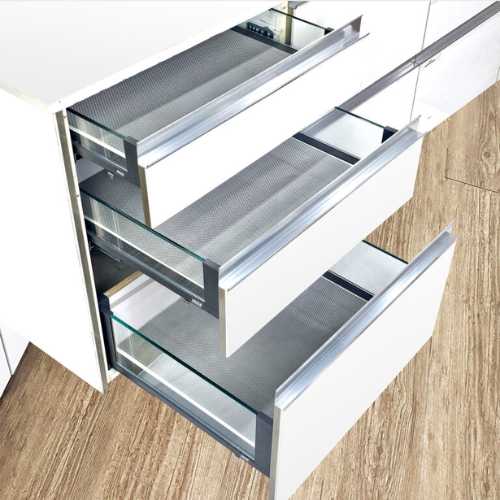
The modern kitchen has evolved far beyond a cooking space. Today, it is a central part of the home and commercial environment—designed for efficiency, durability, and visual appeal. Behind every well-functioning kitchen is a reliable kitchen hardware manufacturer that ensures quality fittings, smooth functionality, and long-lasting performance. From cabinet hinges and drawer systems to advanced storage solutions, kitchen hardware manufacturers play a critical role in shaping kitchens that are practical, stylish, and built to withstand everyday use. The Importance of a Reliable Kitchen Hardware Manufacturer Kitchen hardware is used multiple times a day, every day. Poor-quality fittings can quickly lead to inconvenience, maintenance issues, and customer dissatisfaction. This is why choosing the right kitchen hardware manufacturer is essential for homeowners, architects, interior designers, and builders alike. A professional kitchen hardware manufacturer focuses on precision engineering, quality materials, and consistent manufacturing standards. This ensures that every product performs smoothly, fits perfectly, and lasts for years without compromise. What a Kitchen Hardware Manufacturer Produces A well-established kitchen hardware manufacturer offers a comprehensive range of products designed to support modern kitchen needs. Cabinet Hinges and Fittings Cabinet hinges are among the most critical components in any kitchen. Manufacturers produce soft-close hinges, concealed hinges, and heavy-duty fittings that ensure smooth opening and closing while enhancing durability and safety. Drawer Systems and Channels Drawer functionality defines the daily kitchen experience. A quality kitchen hardware manufacturer produces telescopic channels, soft-close drawer systems, and heavy-load runners that provide silent movement and long-term reliability. Kitchen Storage Solutions Smart storage has become a key focus in kitchen design. Manufacturers develop pull-out baskets, corner units, pantry systems, cutlery organizers, and bottle racks that maximize space and improve accessibility. Handles, Knobs, and Decorative Hardware Beyond functionality, kitchen hardware also contributes to aesthetics. Manufacturers offer a wide variety of handles and knobs in different finishes, materials, and designs to suit diverse kitchen styles. Specialized Modular Kitchen Hardware Lift-up systems, appliance fittings, under-sink solutions, and waste management systems are also part of a modern kitchen hardware manufacturer’s portfolio, supporting advanced modular kitchen layouts. Manufacturing Process and Quality Control Quality manufacturing is the backbone of reliable kitchen hardware. A professional kitchen hardware manufacturer follows a structured production process that emphasizes accuracy and consistency. This includes material selection, precision machining, surface finishing, and rigorous testing. Products are tested for load capacity, corrosion resistance, smooth movement, and durability under repeated use. Strict quality control ensures that every hardware component meets industry standards and performs as expected in real-world kitchen environments. Use of Technology in Kitchen Hardware Manufacturing Technology plays a vital role in modern kitchen hardware manufacturing. Advanced machinery, automated processes, and precision tools help manufacturers achieve consistent quality and scalability. Design software and prototyping tools allow manufacturers to innovate new products while maintaining compatibility with existing kitchen systems. This blend of technology and expertise results in hardware that is both functional and future-ready. Meeting the Needs of Modular Kitchens The rise of modular kitchens has significantly influenced the kitchen hardware industry. Modular designs demand hardware that is precise, interchangeable, and easy to install. A reliable kitchen hardware manufacturer understands these requirements and designs products that integrate seamlessly with modular kitchen systems. This ensures faster installation, cleaner finishes, and better overall performance. Manufacturers who stay aligned with modular kitchen trends remain competitive and relevant in the evolving market. Supporting Architects, Designers, and Builders Kitchen hardware manufacturers work closely with architects, interior designers, and builders to meet project-specific requirements. Providing technical specifications, product compatibility guidance, and design-friendly options helps professionals execute their vision efficiently. Bulk manufacturing capabilities also support large residential and commercial projects, ensuring consistency across multiple installations. This collaboration strengthens trust and long-term partnerships within the construction and interior design ecosystem. Durability and Long-Term Performance Kitchens are high-usage spaces, making durability a top priority. A trusted kitchen hardware manufacturer focuses on producing hardware that can withstand frequent use, moisture exposure, and varying loads. High-quality finishes, rust-resistant materials, and robust internal mechanisms ensure that kitchen hardware maintains performance and appearance over time. Long-lasting hardware reduces maintenance costs and improves user satisfaction, making durability a key value proposition. Sustainability in Kitchen Hardware Manufacturing Sustainability is becoming increasingly important in manufacturing. Many kitchen hardware manufacturers are adopting eco-friendly practices such as material optimization, waste reduction, and efficient energy use. By focusing on sustainable production methods, manufacturers contribute to responsible development while delivering products that align with modern environmental expectations. Sustainable manufacturing also supports long-term business growth and market acceptance. Why Choose a Professional Kitchen Hardware Manufacturer Working directly with a reliable kitchen hardware manufacturer offers several advantages: These benefits make manufacturers a preferred choice for distributors, developers, and project-based buyers. Future Trends in Kitchen Hardware Manufacturing The future of kitchen hardware manufacturing is driven by innovation, convenience, and design integration. Features such as soft-close mechanisms, push-to-open systems, space-saving solutions, and minimalist designs are becoming standard. Manufacturers are continuously evolving to meet these expectations by investing in research, technology, and product development. As kitchens become smarter and more design-focused, the role of the kitchen hardware manufacturer will continue to grow in importance. Conclusion A kitchen’s performance depends heavily on the quality of its hardware. A professional kitchen hardware manufacturer forms the foundation of functional, durable, and visually appealing kitchens. By combining engineering precision, quality materials, and modern manufacturing practices, kitchen hardware manufacturers support the creation of kitchens that meet today’s expectations and tomorrow’s demands. For anyone seeking dependable kitchen solutions, choosing the right kitchen hardware manufacturer is a step toward long-lasting value and everyday comfort.

Kitchen Hardware Distributors: The Backbone of Modern and Functional Kitchens

Kitchen Hardware Distributors: The Backbone of Modern and Functional Kitchens

A well-designed kitchen is not just about cabinets and countertops—it’s about how smoothly everything works together. From hinges that open effortlessly to drawers that glide silently, kitchen hardware plays a vital role in both functionality and aesthetics. Behind every efficient kitchen setup is a reliable kitchen hardware distributor ensuring access to quality products, consistent supply, and the latest innovations. As demand for modular kitchens, smart storage solutions, and premium fittings continues to rise, kitchen hardware distributors have become essential partners for manufacturers, architects, interior designers, and builders. The Role of Kitchen Hardware Distributors Kitchen hardware distributors act as the link between manufacturers and end users. Their responsibility goes far beyond simple product supply. They ensure that the right hardware reaches the right projects at the right time. A professional kitchen hardware distributor understands market trends, maintains stock availability, and supports clients with product knowledge. This makes them a critical part of the kitchen ecosystem, especially in fast-moving residential and commercial projects. Why Kitchen Hardware Matters More Than Ever Modern kitchens are designed for efficiency, durability, and style. Homeowners and commercial users expect hardware that performs reliably over years of daily use while complementing the overall design. Quality kitchen hardware improves ease of use, enhances safety, and adds long-term value to kitchen installations. Distributors help ensure that these high standards are met by supplying tested, certified, and well-engineered hardware products. Products Supplied by Kitchen Hardware Distributors A well-established kitchen hardware distributor typically offers a wide range of products to suit different kitchen designs and budgets. Cabinet Hinges and Fittings Hinges are among the most frequently used kitchen components. Soft-close hinges, concealed hinges, and heavy-duty fittings are essential for modern cabinets. Distributors ensure consistent quality and compatibility with different cabinet styles. Drawer Systems and Channels Smooth drawer movement is a key expectation in contemporary kitchens. Kitchen hardware distributors supply telescopic channels, soft-close drawer systems, and heavy-load runners designed for durability and comfort. Handles, Knobs, and Accessories Handles and knobs are functional elements that also define the kitchen’s visual appeal. Distributors offer a variety of designs, finishes, and materials to match different aesthetic preferences. Kitchen Storage Solutions Efficient storage is central to modern kitchen design. Hardware distributors provide solutions such as pull-out baskets, corner units, pantry systems, cutlery organizers, and bottle racks that maximize usable space. Specialized Kitchen Hardware From lift-up systems and appliance fittings to under-sink accessories and waste management units, distributors cater to specialized hardware requirements for modular and custom kitchens. Importance of Choosing the Right Kitchen Hardware Distributor Selecting the right kitchen hardware distributor can significantly impact project quality and timelines. Reliable distributors offer consistent stock availability, reducing delays during installation. They also provide technical support and guidance, helping clients choose the right hardware for specific applications. This expertise ensures compatibility, performance, and long-term satisfaction. A dependable distributor becomes a trusted partner rather than just a supplier. Quality Standards and Product Reliability Kitchen hardware is subjected to daily wear and tear, making quality a non-negotiable factor. Professional kitchen hardware distributors prioritize products that meet industry standards for strength, corrosion resistance, and smooth operation. By sourcing from trusted manufacturers and conducting quality checks, distributors help ensure that kitchens remain functional and trouble-free over time. This focus on quality builds trust with customers and strengthens long-term business relationships. Supporting Architects, Designers, and Builders Kitchen hardware distributors play a key role in supporting architects and interior designers by offering updated product catalogs, technical specifications, and design-compatible options. Builders and contractors rely on distributors for timely delivery and bulk supply. This collaborative approach helps ensure smooth project execution and consistent results across multiple installations. Distributors who understand design intent and construction timelines add real value to every project. Technology and Innovation in Kitchen Hardware Distribution The kitchen hardware industry is evolving rapidly, with innovations focused on comfort, safety, and efficiency. Soft-close systems, push-to-open mechanisms, and space-saving designs are now standard expectations. Kitchen hardware distributors stay updated with these trends and introduce new products that align with modern kitchen demands. This keeps their clients competitive and future-ready. Technology also improves inventory management and order fulfillment, allowing distributors to respond faster to market needs. Logistics and Supply Chain Strength Strong logistics and supply chain management are essential for kitchen hardware distribution. Timely delivery, proper packaging, and safe handling ensure that hardware reaches clients in perfect condition. Established kitchen hardware distributors maintain efficient logistics networks that support both local and large-scale projects. This reliability is especially important for commercial kitchens and multi-unit residential developments. Why Kitchen Hardware Distributors Are Essential to the Industry Kitchen hardware distributors provide consistency in an industry where quality and timing matter greatly. Their ability to bridge manufacturing expertise with on-ground project needs makes them indispensable. By offering product variety, technical knowledge, and dependable service, distributors help elevate the standard of kitchen installations across residential and commercial spaces. Future of Kitchen Hardware Distribution As kitchens become more compact, efficient, and design-focused, the demand for advanced hardware solutions will continue to grow. Kitchen hardware distributors are adapting by expanding product ranges, improving service quality, and embracing digital tools. Sustainability, durability, and innovation will shape the future of kitchen hardware distribution, with distributors playing a central role in meeting these expectations. Conclusion Kitchen hardware distributors are the unseen force behind functional and beautifully designed kitchens. Their role in supplying quality products, supporting professionals, and ensuring smooth project execution cannot be overstated. For anyone involved in kitchen design, manufacturing, or installation, choosing a reliable kitchen hardware distributor is key to delivering kitchens that perform well, look great, and last for years.

Kitchen Equipment Wholesaler: Reliable Supply Solutions for Commercial Kitchens

Kitchen Equipment Wholesaler: Reliable Supply Solutions for Commercial Kitchens

The backbone of every successful commercial kitchen lies in high-quality equipment and reliable sourcing. A professional Kitchen Equipment Wholesaler plays a crucial role in supporting hotels, restaurants, cloud kitchens, catering units, and food service businesses by providing durable, efficient, and cost-effective kitchen equipment at scale. With the rapid growth of the food service industry, demand for dependable kitchen equipment wholesalers has increased significantly. Businesses require consistent quality, timely availability, and competitive pricing to operate efficiently and profitably. Role of a Kitchen Equipment Wholesaler in the Food Service Industry A kitchen equipment wholesaler bridges the gap between manufacturers and end users. By sourcing products in bulk and distributing them efficiently, wholesalers ensure uninterrupted supply chains for commercial kitchens. Unlike retail suppliers, wholesalers focus on large-volume requirements, standardized quality, and long-term partnerships. This approach helps food businesses reduce procurement costs while maintaining operational consistency. A reliable Kitchen Equipment Wholesaler understands industry needs and delivers solutions that support high-performance kitchen environments. Wide Range of Commercial Kitchen Equipment Professional kitchen equipment wholesalers offer an extensive range of products to meet diverse commercial cooking requirements. These products are designed for heavy-duty use and long-term durability. Common categories include: Each product category is selected to ensure safety, efficiency, and compliance with commercial kitchen standards. Importance of Quality and Durability Commercial kitchens operate for long hours under intense conditions. Equipment must withstand continuous usage, high temperatures, moisture, and frequent cleaning. A professional Kitchen Equipment Wholesaler supplies products manufactured using premium materials such as stainless steel and high-grade components. Durable equipment reduces downtime, minimizes maintenance costs, and supports smooth kitchen operations. Quality assurance processes ensure that every product meets performance and safety expectations. Cost Efficiency Through Bulk Supply One of the key advantages of working with a kitchen equipment wholesaler is cost efficiency. Bulk procurement allows businesses to access competitive pricing without compromising on quality. Wholesalers help restaurants, hotels, and cloud kitchens manage budgets more effectively by offering consistent pricing, standardized products, and scalable supply options. This makes wholesalers an essential partner for both new establishments and expanding food businesses. Support for Commercial Kitchen Planning Experienced kitchen equipment wholesalers do more than supply products. They support commercial kitchen planning by offering guidance on equipment selection, layout compatibility, and capacity requirements. By understanding workflow, menu type, and space limitations, a reliable Kitchen Equipment Wholesaler helps businesses choose the right equipment that enhances productivity and safety. This support is especially valuable for new restaurant setups, hotel kitchens, and institutional food facilities. Serving Diverse Commercial Segments Kitchen equipment wholesalers cater to a wide range of commercial segments, including: Each segment has unique operational requirements. Professional wholesalers ensure that their product range aligns with these varying demands. Logistics and Timely Delivery Timely delivery is critical in commercial kitchen projects where delays can lead to financial losses. A dependable Kitchen Equipment Wholesaler maintains strong logistics networks and inventory management systems to ensure prompt dispatch and delivery. Consistent availability and efficient supply chains help businesses meet project timelines and avoid operational disruptions. Compliance and Safety Standards Commercial kitchen equipment must adhere to safety and hygiene standards. Professional wholesalers ensure that supplied equipment meets industry regulations and quality certifications. Proper ventilation systems, fire-safe cooking equipment, and hygienic stainless steel surfaces contribute to safer and more compliant kitchen environments. Long-Term Business Partnerships A trusted kitchen equipment wholesaler focuses on building long-term relationships rather than one-time transactions. Consistent quality, transparent pricing, and dependable service create trust among clients. For businesses planning expansion or multiple outlets, a reliable wholesaler becomes a strategic partner supporting growth and scalability. Value Addition Beyond Supply Many wholesalers offer value-added services such as after-sales support, spare parts availability, and coordination with installation teams. These services enhance customer satisfaction and ensure long-term equipment performance. A professional Kitchen Equipment Wholesaler understands that service reliability is just as important as product quality. Conclusion A kitchen equipment wholesaler plays a vital role in the success of commercial kitchens by providing reliable, cost-effective, and durable equipment solutions. From sourcing high-quality products to ensuring timely delivery and ongoing support, wholesalers form the foundation of efficient food service operations. Choosing the right Kitchen Equipment Wholesaler ensures smoother workflows, reduced operational risks, and long-term business stability. As the food service industry continues to grow, dependable wholesalers remain essential partners in building high-performance commercial kitchens.

Book Free Consultation


Kitchen

Book Your Free Consultation


    This will close in 20 seconds

    Select the fields to be shown. Others will be hidden. Drag and drop to rearrange the order.
    • Image
    • SKU
    • Rating
    • Price
    • Stock
    • Availability
    • Add to cart
    • Description
    • Content
    • Weight
    • Dimensions
    • Additional information
    Click outside to hide the comparison bar
    Compare