
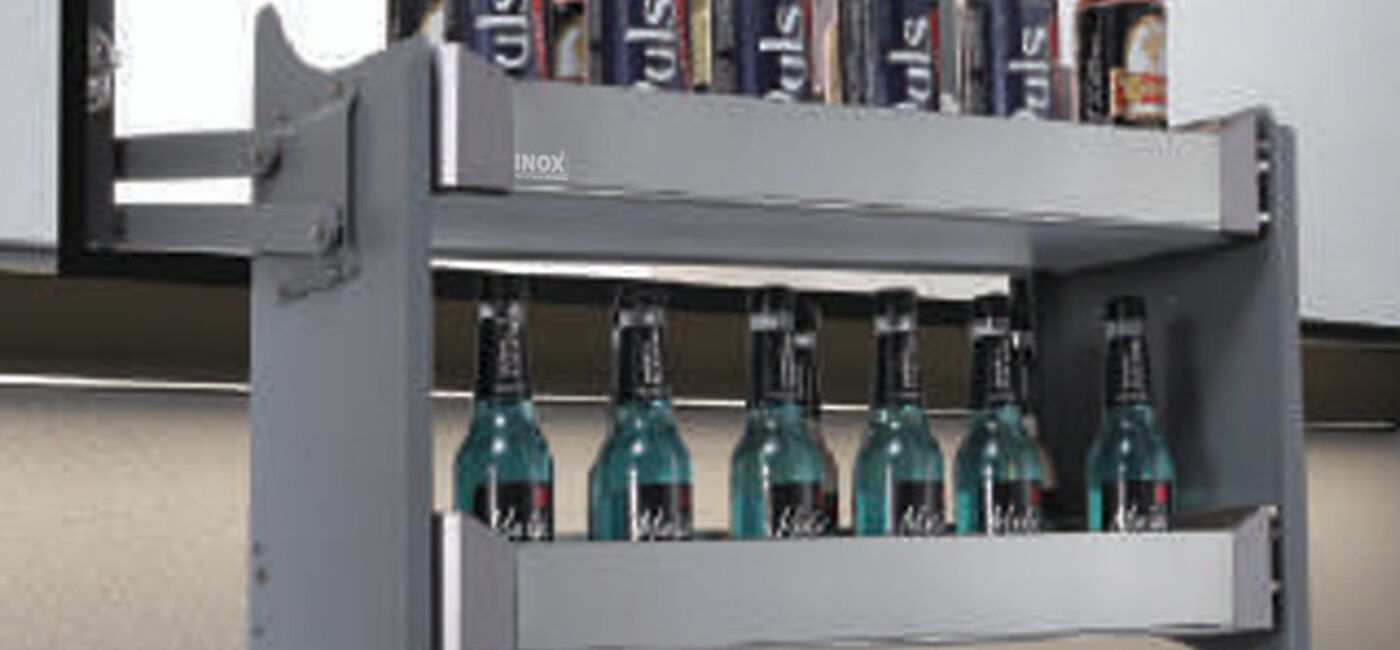
Architectural fittings play a vital role in shaping the functionality, safety, and visual appeal of residential, commercial, and industrial buildings. From door handles and hinges to glass hardware and railing systems, these components may appear small, but they significantly influence overall design quality and user experience.
As modern architecture continues to evolve, the demand for high-quality architectural fittings that combine durability, aesthetics, and performance has increased. Choosing the right fittings ensures smooth operation, long-term reliability, and a polished finish for every space.
What Are Architectural Fittings?
Architectural fittings are hardware components used in the installation and operation of doors, windows, cabinets, partitions, glass panels, and other structural elements. These fittings provide support, movement, locking, and finishing functions while contributing to the overall style of the building.
Common architectural fittings include:
- Door handles and knobs
- Hinges and pivots
- Locks and latches
- Glass fittings and patch fittings
- Shower hinges and connectors
- Cabinet handles and drawer slides
- Railing fittings and balustrade accessories
Each fitting is designed to meet specific functional requirements while complementing architectural design.
Importance of Architectural Fittings in Construction
Architectural fittings are essential for both practical and aesthetic reasons. Their quality directly affects the performance and lifespan of doors, windows, and other installations.
Improved Functionality
High-quality fittings ensure smooth opening and closing, proper alignment, and secure locking. This enhances everyday usability and comfort.
Enhanced Safety
Locks, hinges, and railing fittings contribute to building safety by providing secure closures and stable support.
Aesthetic Appeal
Well-designed fittings add elegance and refinement to interiors and exteriors, helping achieve a cohesive look.
Long-Term Durability
Premium architectural fittings resist wear, corrosion, and mechanical stress, reducing maintenance and replacement costs.
Types of Architectural Fittings
Door and Window Fittings
These include handles, hinges, locks, stoppers, and closers used in wooden, metal, and glass doors and windows. They ensure proper movement, security, and ease of use.
Glass Architectural Fittings
Glass fittings are used in partitions, doors, shower enclosures, and facades. Common products include patch fittings, spider fittings, clamps, and connectors. They provide strong support while maintaining a sleek, modern appearance.
Cabinet and Furniture Fittings
Cabinet handles, drawer slides, soft-close hinges, and lift-up mechanisms improve the functionality and look of modular kitchens, wardrobes, and office furniture.
Railing and Balustrade Fittings
Used in staircases, balconies, and terraces, these fittings include handrail brackets, glass clamps, base channels, and connectors.
Bathroom Fittings
Shower hinges, glass knobs, towel rods, and brackets fall under this category, combining utility with design.
Materials Used in Architectural Fittings
Selecting the right material ensures durability and performance.
- Stainless Steel: Corrosion-resistant, strong, and ideal for indoor and outdoor use.
- Aluminum: Lightweight and modern in appearance.
- Brass: Known for its strength and classic finish.
- Zinc Alloy: Cost-effective and versatile.
- Iron and Mild Steel: Used for heavy-duty applications.
Surface finishes such as satin, mirror polish, matte black, antique bronze, and brushed textures enhance visual appeal and protect against corrosion.
Key Factors to Consider When Choosing Architectural Fittings
Quality and Strength
Always select fittings that meet industry standards and can handle daily usage.
Design Compatibility
Choose designs that match your interior and exterior theme.
Corrosion Resistance
Especially important for bathrooms, kitchens, and outdoor areas.
Load-Bearing Capacity
Heavy doors and glass panels require fittings with higher load capacity.
Ease of Installation
Precision-engineered fittings reduce installation time and errors.
Applications of Architectural Fittings
Architectural fittings are widely used in:
- Residential homes
- Commercial buildings
- Hotels and resorts
- Hospitals and healthcare facilities
- Shopping malls
- Office spaces
- Educational institutions
Their versatility makes them a core component in modern construction projects.
Benefits of Using Premium Architectural Fittings
- Smooth and silent operation
- Enhanced safety and security
- Longer service life
- Better visual appeal
- Reduced maintenance costs
Investing in quality fittings improves overall building performance and user satisfaction.
Architectural Fittings and Modern Design Trends
Minimalist and contemporary designs favor clean lines and subtle finishes. Matte black, brushed stainless steel, and concealed fittings are gaining popularity. Smart fittings with soft-close technology and touchless operation are also becoming common in modern spaces.
Final Thoughts
Architectural fittings may be small in size, but their impact on functionality, safety, and aesthetics is significant. Choosing the right fittings ensures long-lasting performance and enhances the overall quality of any building project.
Whether for residential, commercial, or industrial use, well-crafted architectural fittings are an essential investment for modern construction.